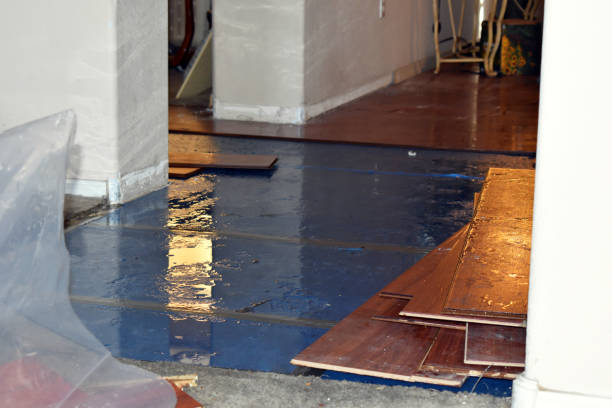
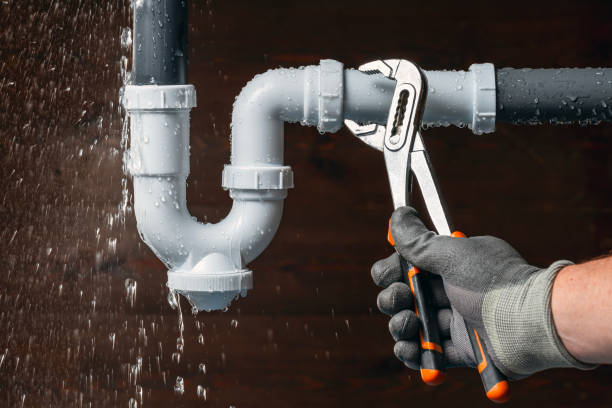
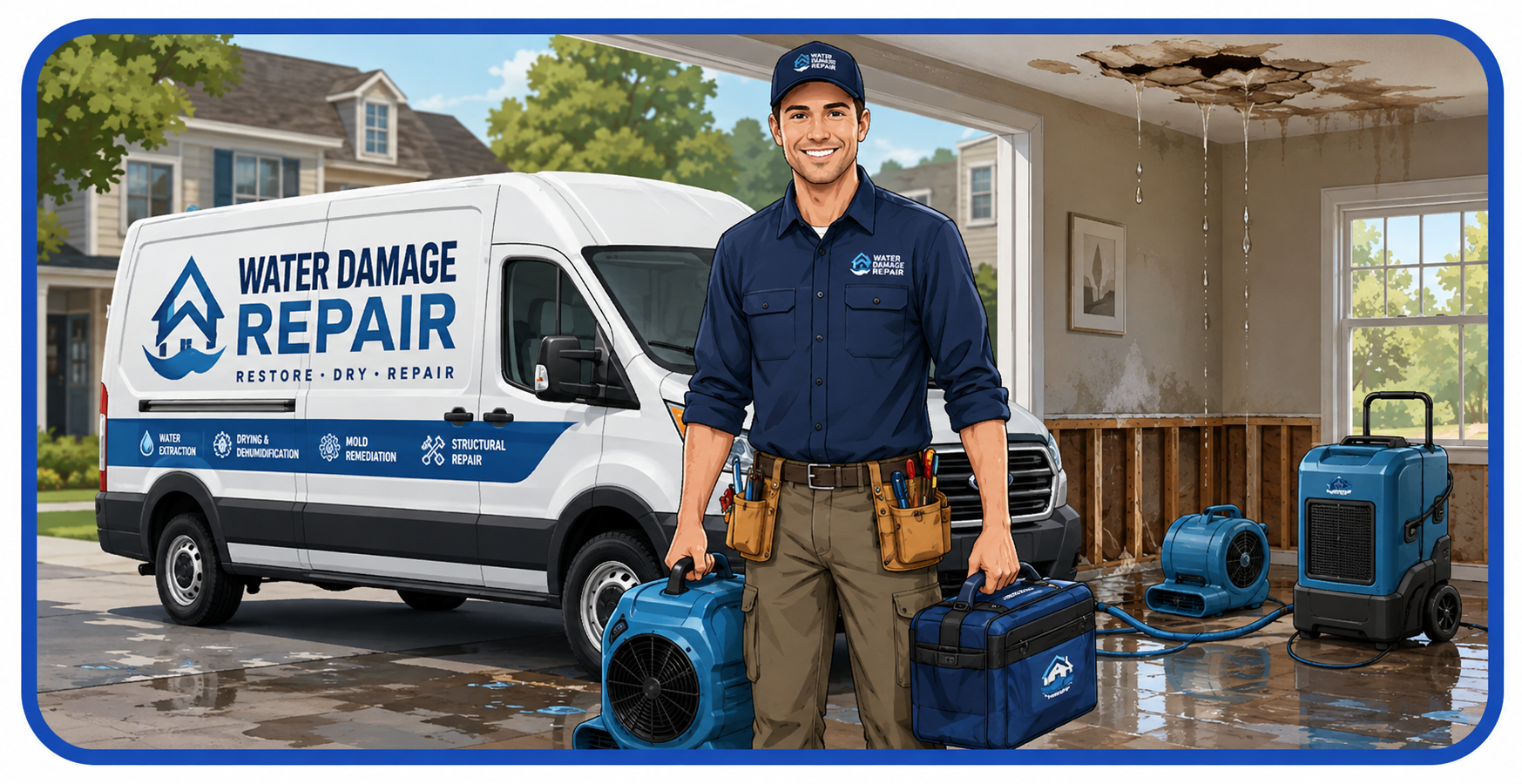
Georgetown sits on a mix of older plumbing and newer builds, and our crew has pulled water out of both, which is why the truck that shows up already has the right extraction head for your situation.
Call +1-844-578-1604
Crews staged inside Georgetown limits
Written estimate, no hidden line items
IICRC-certified technicians on every truck

We run our Georgetown operation on IICRC-certified technicians and commercial-grade equipment, not a subcontractor list we pull from when the phone rings.
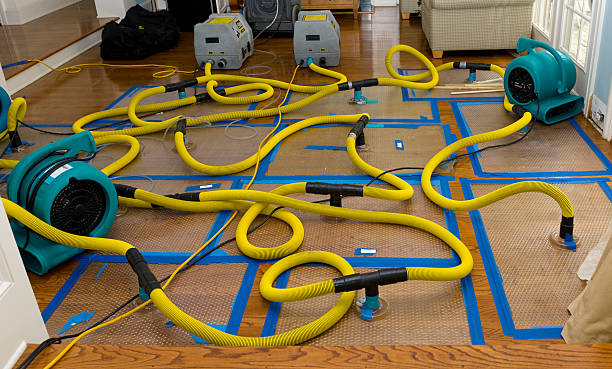
Every Georgetown truck carries moisture meters, thermal cameras, and both standard and low-grain-refrigerant dehumidifiers, because a one-size drying setup doesn't work for every kind of Georgetown home.
Ongoing training matters more to us than a certificate on the wall — drying standards and equipment change, and our crews train against the current standard, not the one from five years ago.
Water damage rarely starts as a dramatic flood — it usually starts small, and these are the signs worth acting on before the damage spreads further.
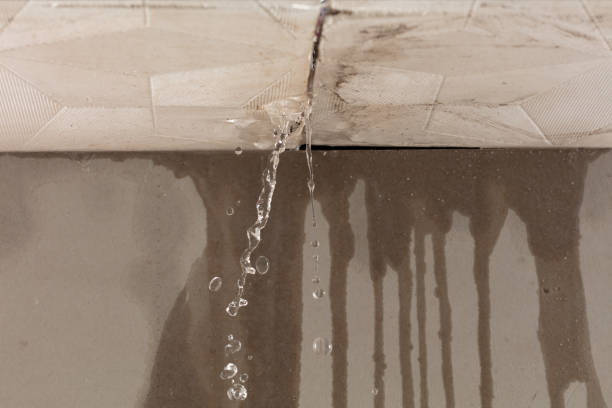
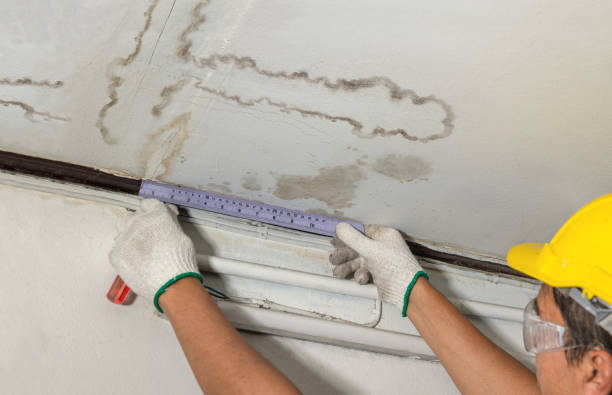
A ring that reappears within weeks of a fresh coat of paint means the moisture source is still active, and it's usually a plumbing line, not a roof issue, especially near bathrooms.
A smell that gets stronger after rain is a strong hint that groundwater or a foundation crack is letting moisture in during wet weather.
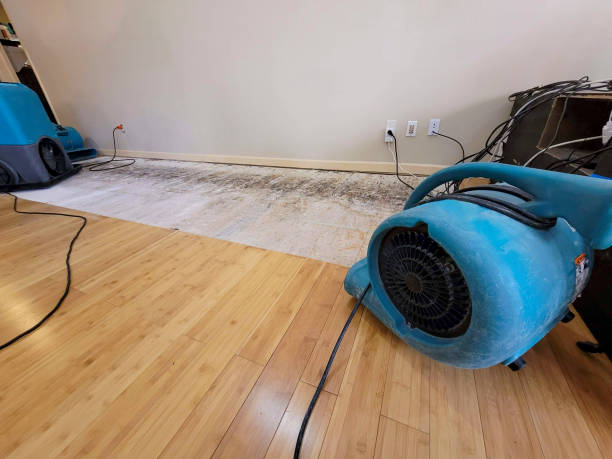
Flooring that shifts slightly when you walk on it, even subtly, is worth a moisture reading before it gets worse.
The sound of running water when every fixture in the house is off is one of the more reliable early warnings of a hidden leak.
Wallpaper that suddenly lifts at the seams after holding fine for years often signals a change in the humidity or moisture level inside that wall cavity.
Mold that returns after a bleach cleaning is a sign the moisture source behind it was never actually addressed.
If more than one of these sounds familiar, it's worth a professional moisture check sooner rather than later.
Treating Emergency Water Damage as a single continuous job, rather than a series of handoffs, is what keeps timelines shorter and documentation consistent.
Every service below gets the same documentation standard, whether it's a single wet closet or a full commercial loss.
The first hour after a water loss decides how much of the structure is salvageable, which is why extraction is always the first truck-mount job, not an afterthought behind paperwork.
Daily drying logs track humidity and surface moisture at every checkpoint, giving you documented proof of progress instead of a verbal 'it's getting there.'
Blackwater intrusions call for full PPE, controlled removal of porous materials that can't be sanitized, and hospital-grade disinfection before any reconstruction starts.
Antimicrobial treatment on studs, subfloor, and other porous surfaces happens during the drying phase, especially anywhere that stayed wet more than 48 hours.
Reconstruction starts from the actual drying documentation, not a fresh guess, which keeps the repair scope accurate.
Furniture, electronics, and documents get assessed on-site, with salvageable items cleaned and stored while the space dries.


Four steps, no guesswork — here's exactly what happens between your call and a verified-dry structure.
Dispatch gathers just enough detail to load the right equipment before the truck leaves the lot.
Moisture meters and thermal cameras trace exactly how far water has traveled, including inside walls and under flooring where it's invisible to the eye.
Extraction and drying run as one continuous process rather than two separate scheduled visits.
Every affected area gets re-tested before we call the job complete — no shortcuts on the sign-off.
None of these four things matter in isolation — it's the combination of licensing, speed, honest pricing, and a real guarantee that actually changes the outcome of a water emergency.
Every technician carries IICRC certification, and every crew works fully insured — documentation available whenever you want it.
Shorter drive times matter most in the first hour after a loss, which is exactly when local staging pays off.
You get a written estimate before equipment turns on, not a surprise invoice after the fact.
Every job closes with a documented re-inspection, not a handshake and an invoice.
We'd rather run a dehumidifier an extra day on our dime than sign off on a reading we're not confident in.
Technicians aren't rewarded for closing jobs quickly, which keeps the incentive pointed at actually finishing the drying right.
Call +1-844-578-1604Our Georgetown service radius covers 18702 15043, with trucks positioned to reach any address quickly, not just the neighborhoods closest to a single office.
Coverage extends past the city core into the surrounding Georgetown suburbs, so an outlying address isn't treated as a second-tier call.

"I've dealt with contractors before who talk a big game and disappear. The crew here in Georgetown actually showed up on time and stayed in touch through the whole drying process."
Renee A., Georgetown"A storm backed water into our finished basement and the crew classified it, extracted it, and had dehumidifiers running that same afternoon. The invoice matched the quote to the dollar."
Owen D., Georgetown"They didn't cut corners on the sanitization step even though it clearly slowed them down — with two kids in the house, that mattered to us."
Fatima J., Georgetown"Every cost question got a straight answer, even the awkward ones, which is more than I can say for the last two contractors I dealt with."
Lucas P., Georgetown"The thermal scan caught damage behind a cabinet that could have turned into a much bigger mold problem if it went unnoticed."
Grace T., Georgetown"They sectioned off the wet area instead of shutting down the whole office during drying, which kept us operating almost normally."
Nathaniel W., Georgetown"A cracked supply line under our kitchen sink went unnoticed for days, and by the time we called, the subfloor was saturated. They only replaced what actually tested wet, not the whole floor."
Bianca H., Georgetown"Storm runoff got into our crawl space and the smell alone told us something was wrong. They found a failed vapor barrier and fixed the actual cause during the same visit."
Derek S., Georgetown"They found the actual source of the leak instead of just drying the surface damage, which saved us from the same problem happening again in a month."
Melissa C., Georgetown"Being out of town when it happened was stressful enough — having a crew that could work directly with our property manager made it manageable."
Victor N., Georgetown